
Brasile
2004 – 2006
Location
Brasile – RIO DE JANEIRO / CAMINHO DO OURO
Type
International Cooperation
Project
Restoration and know-how transfer
Protection, Conservation and Enhancement
International cooperation, cultural landscape and territorial planning
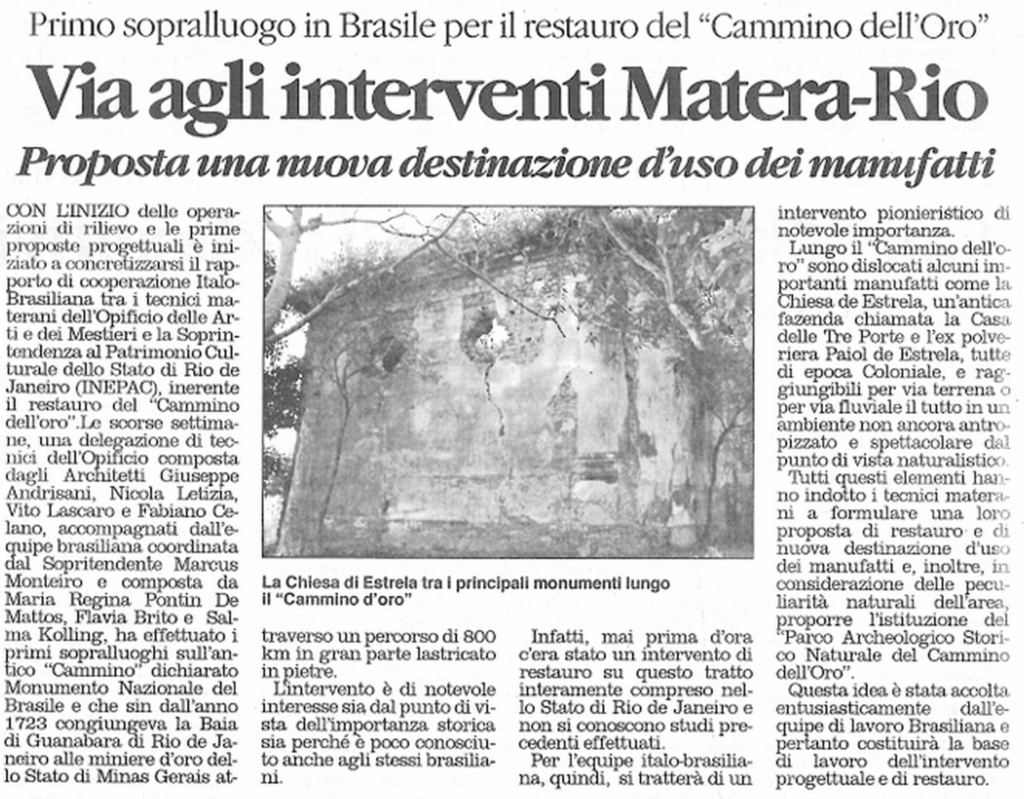
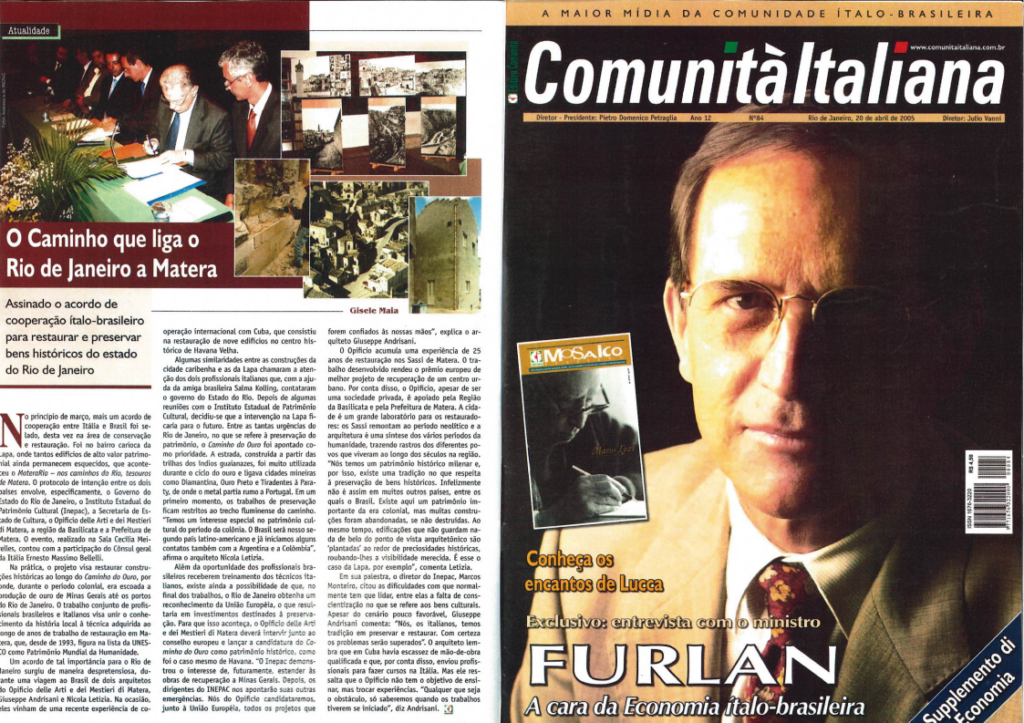
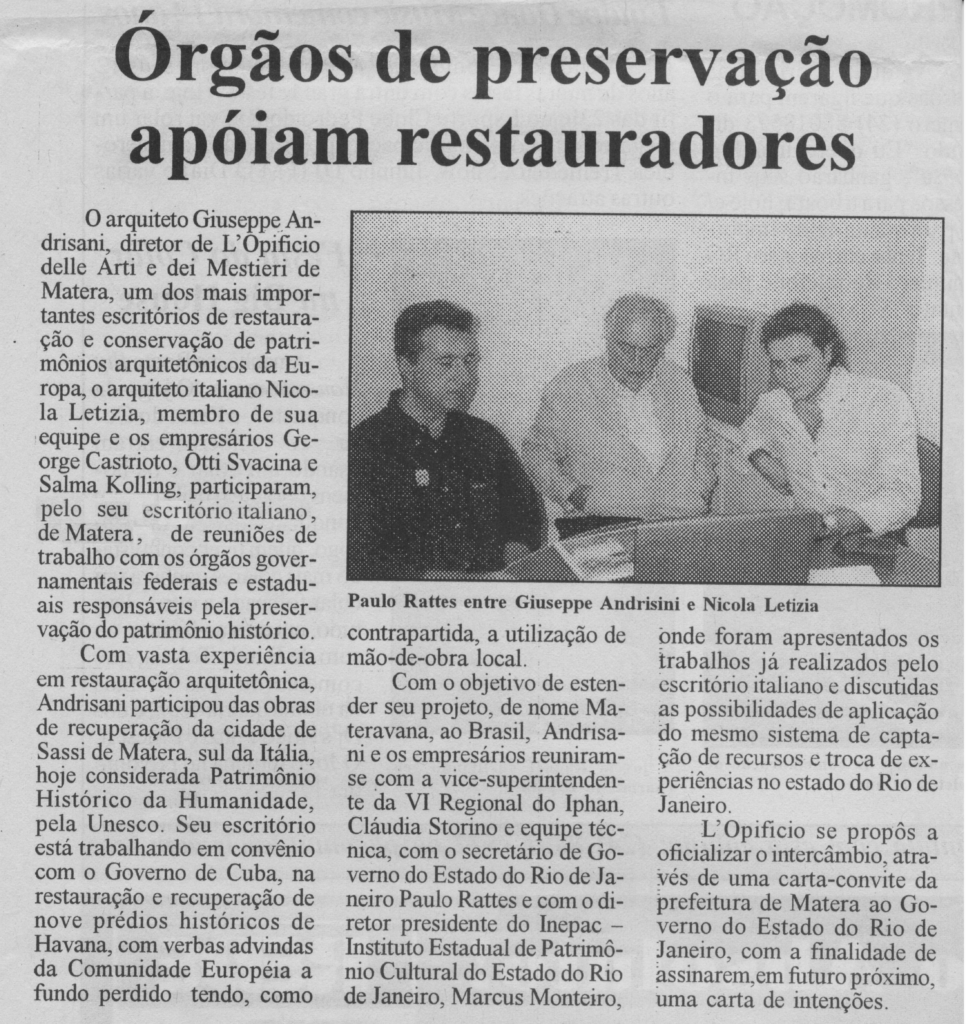
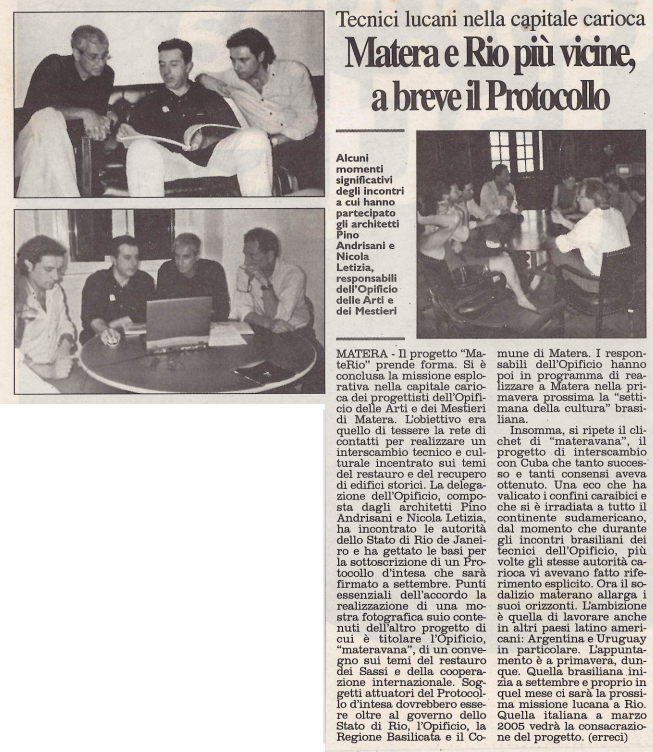
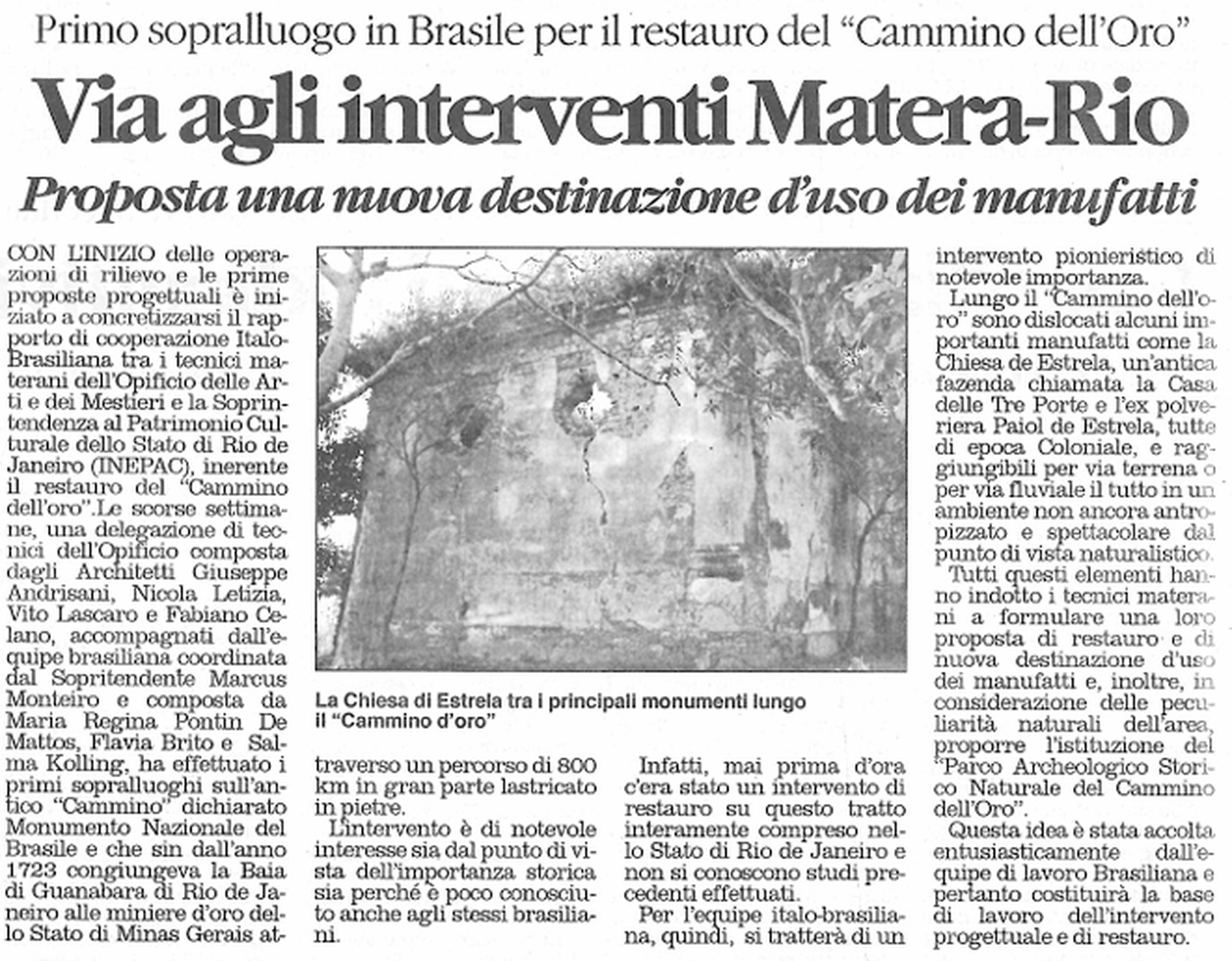
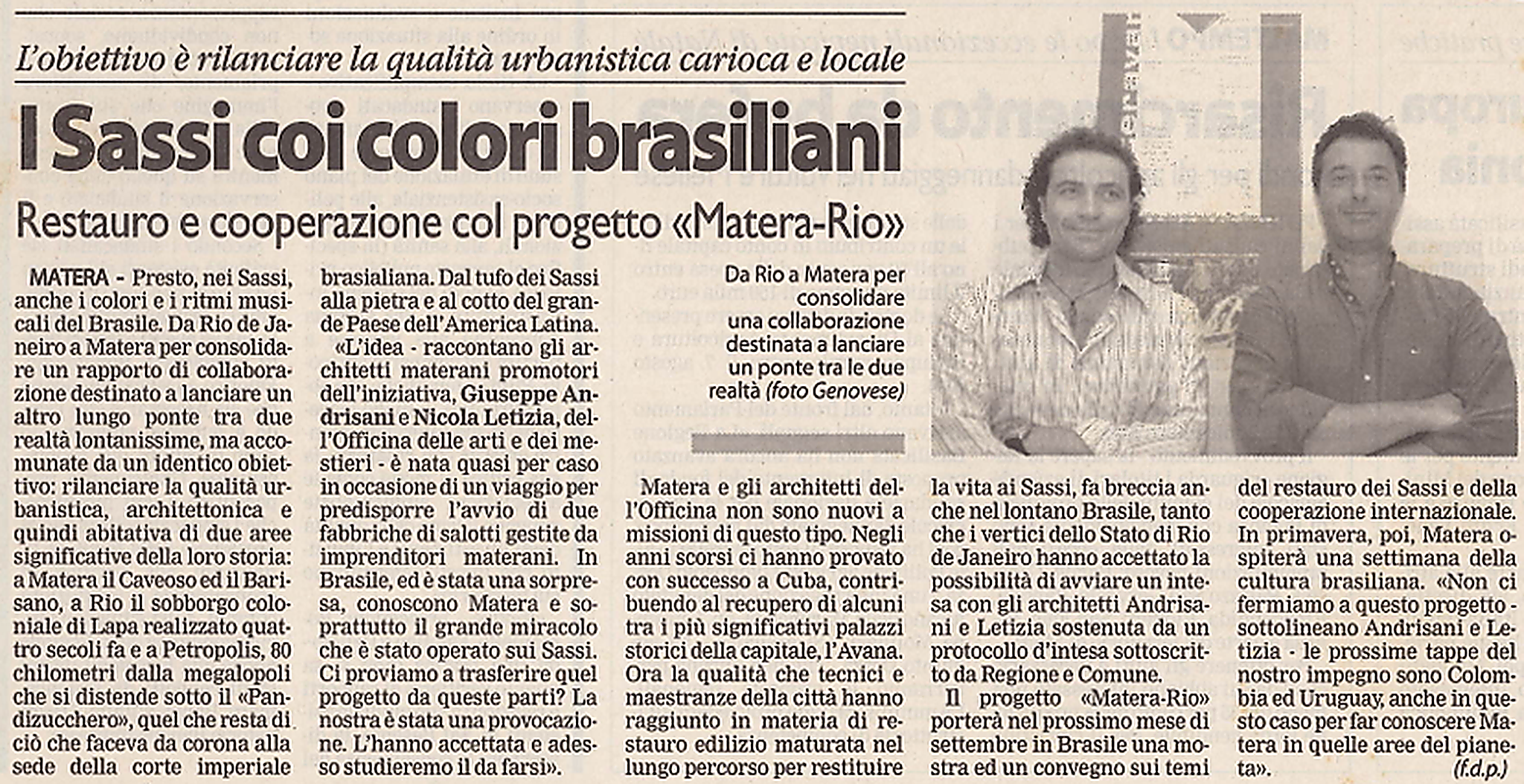
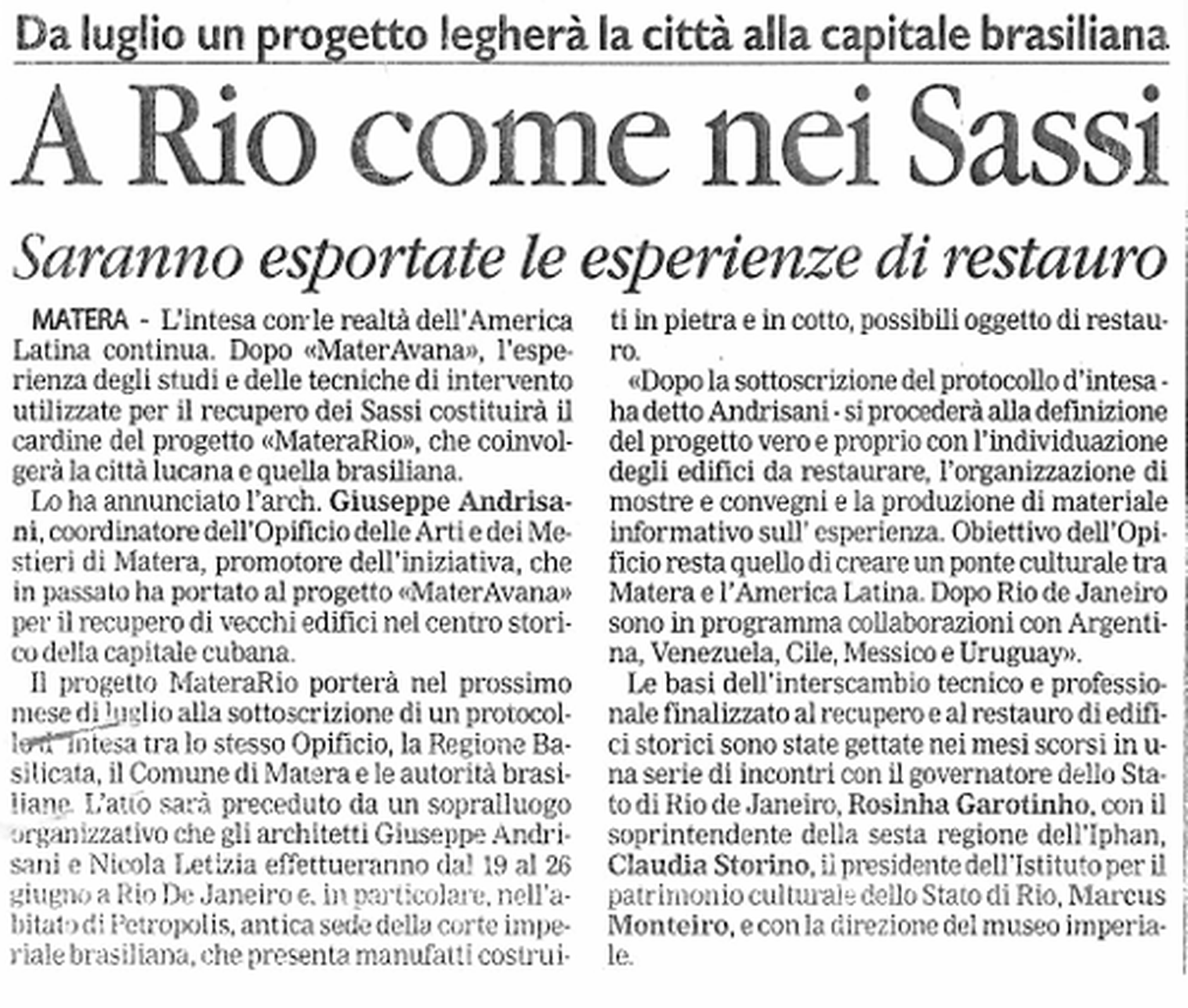
The path initiated in Matera and subsequently developed in Havana found further application in Brazil, in the State of Rio de Janeiro, through an international cooperation program aimed at protecting and enhancing an extensive historic and cultural landscape.
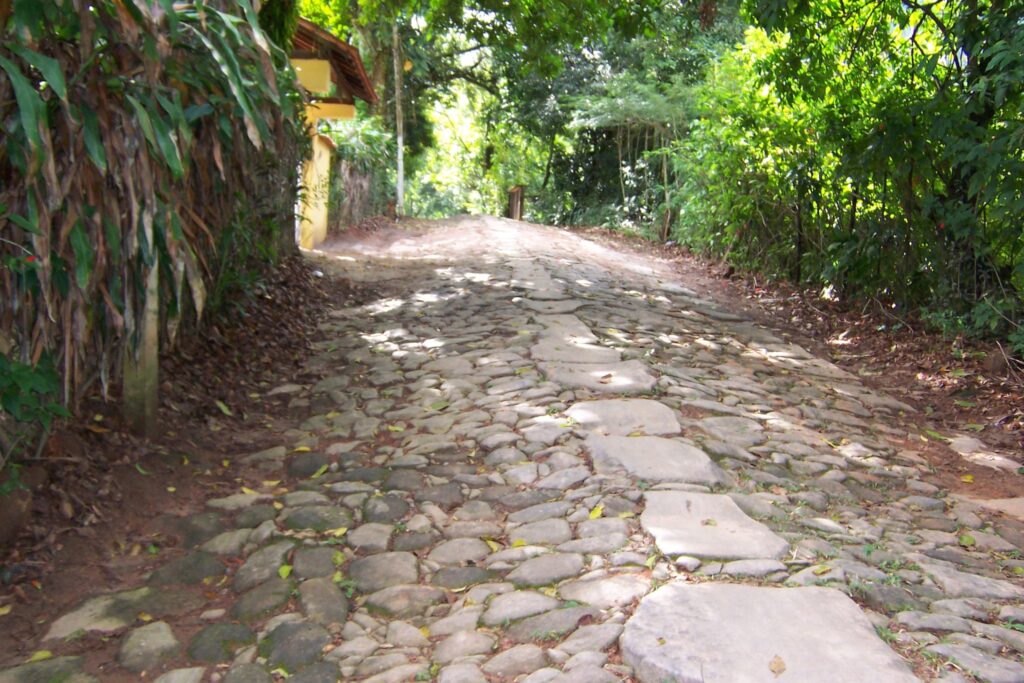
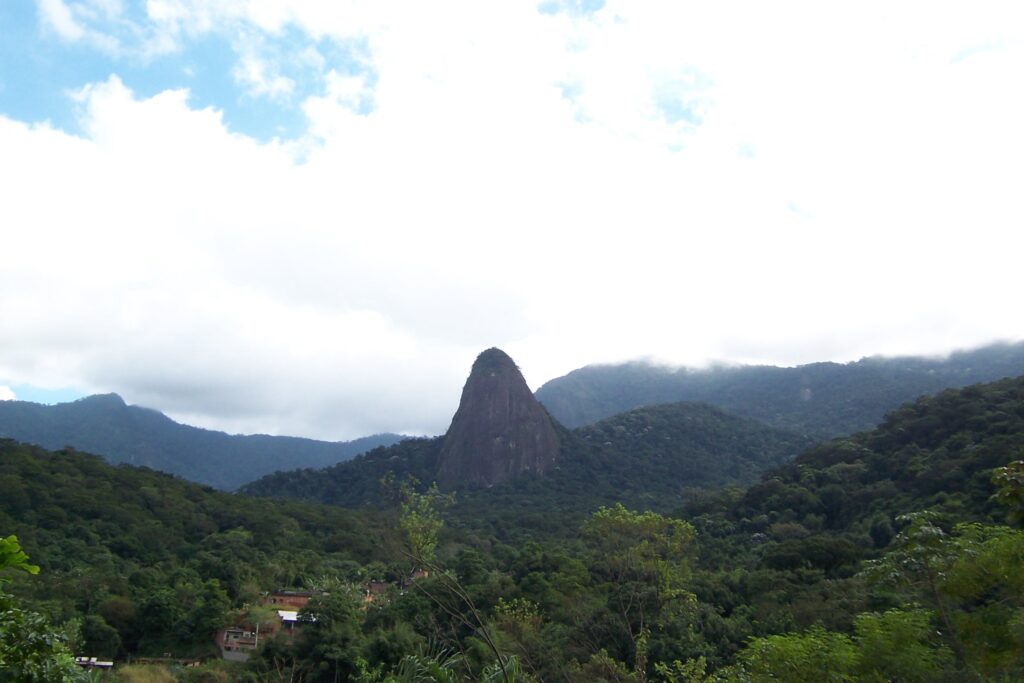
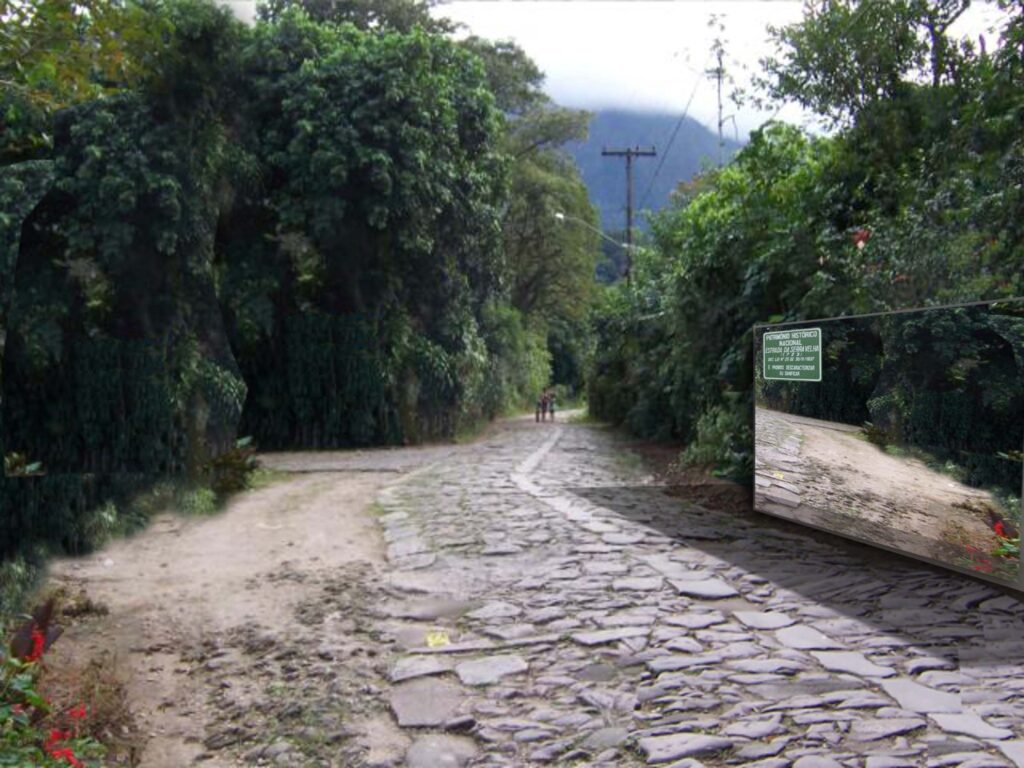
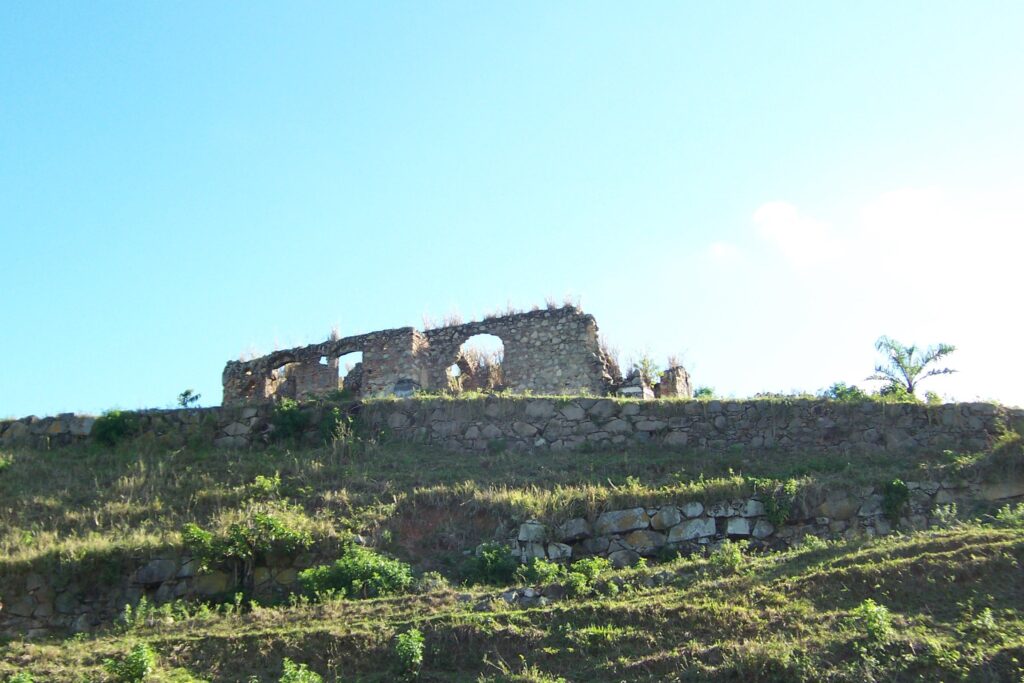
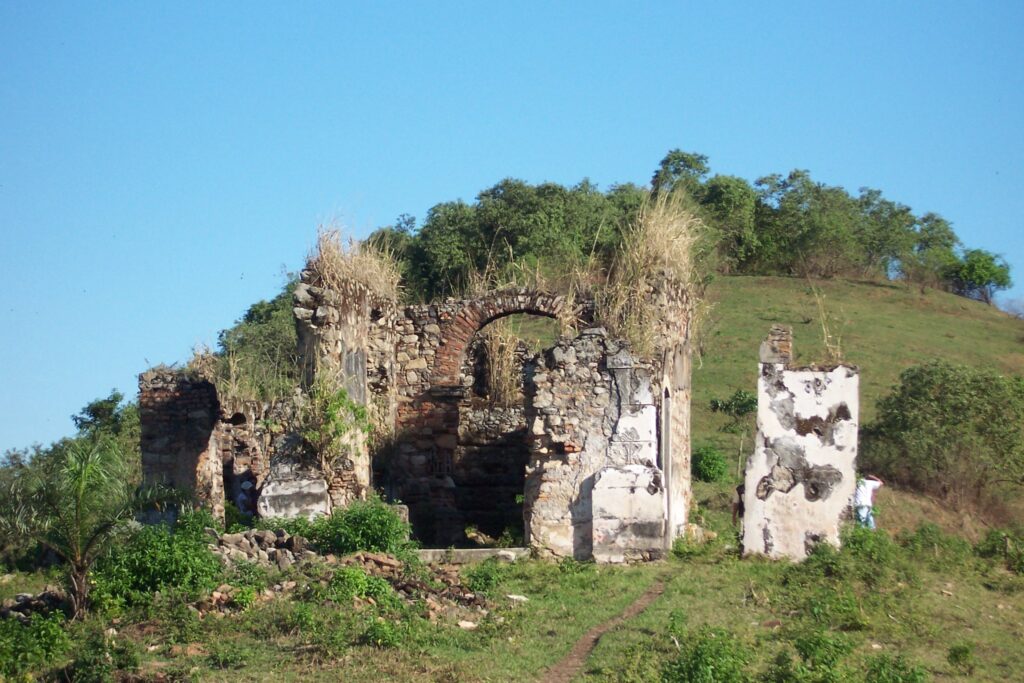
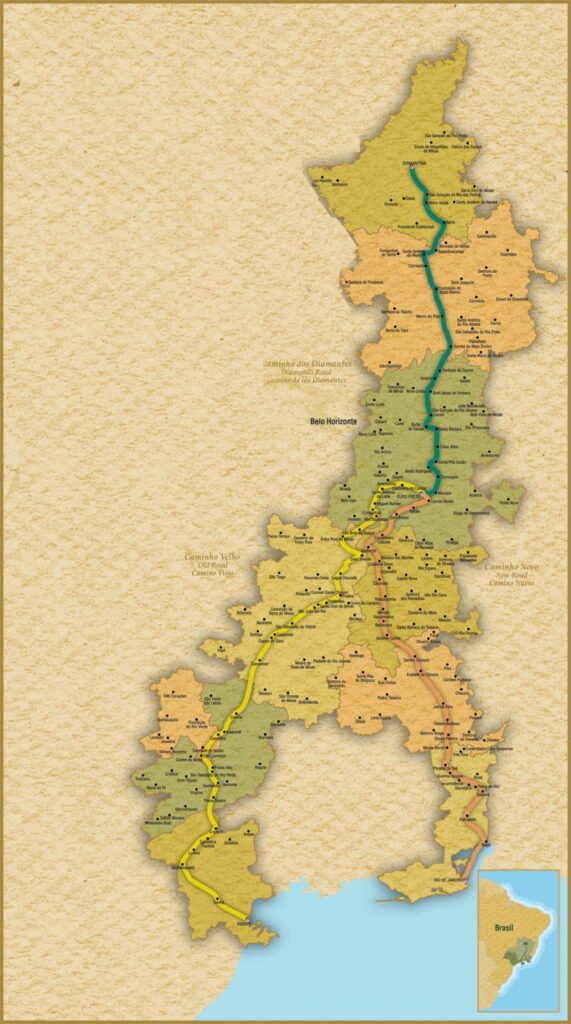
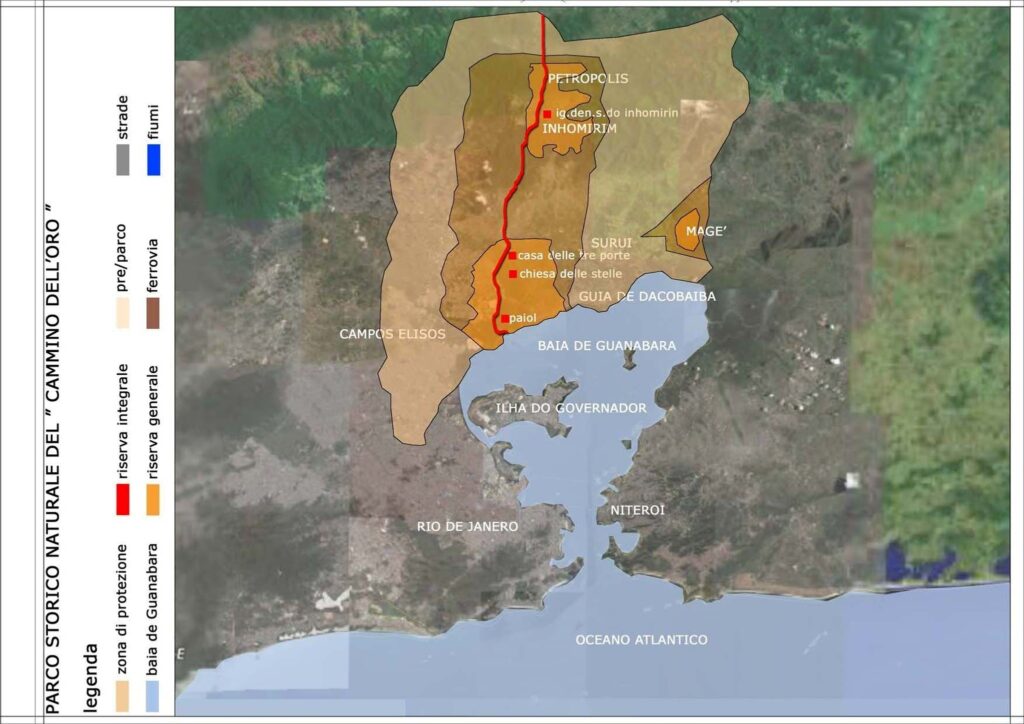
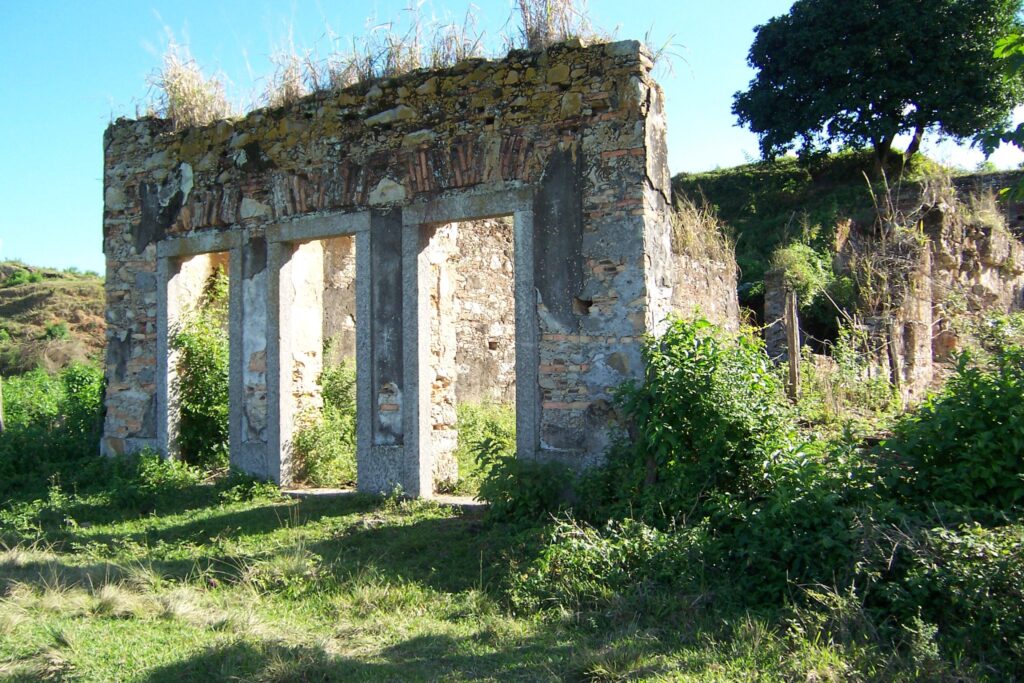
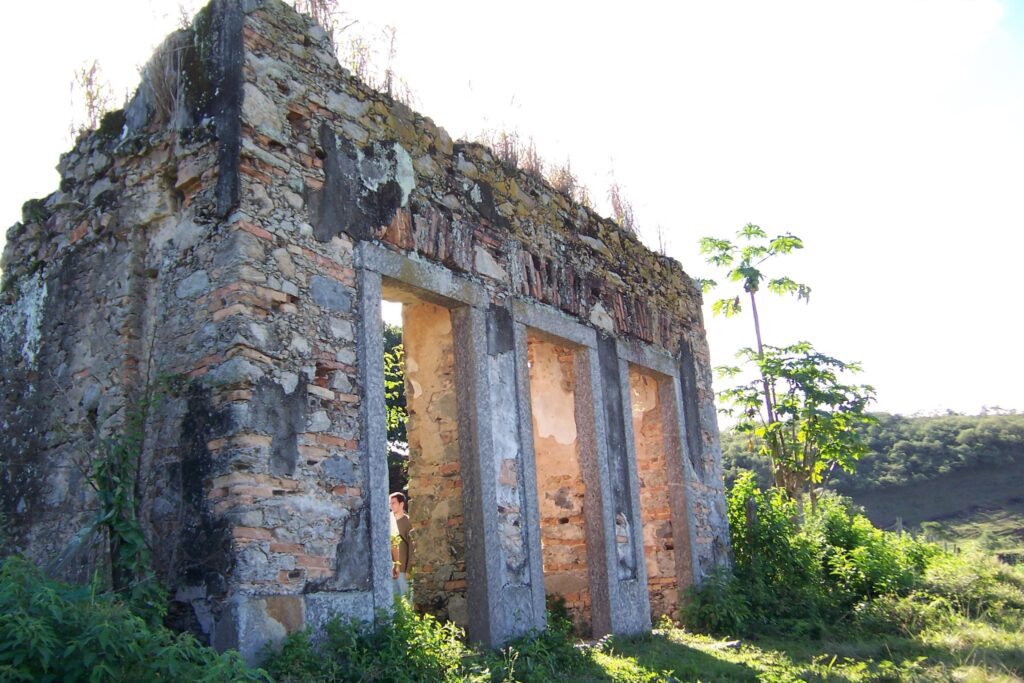
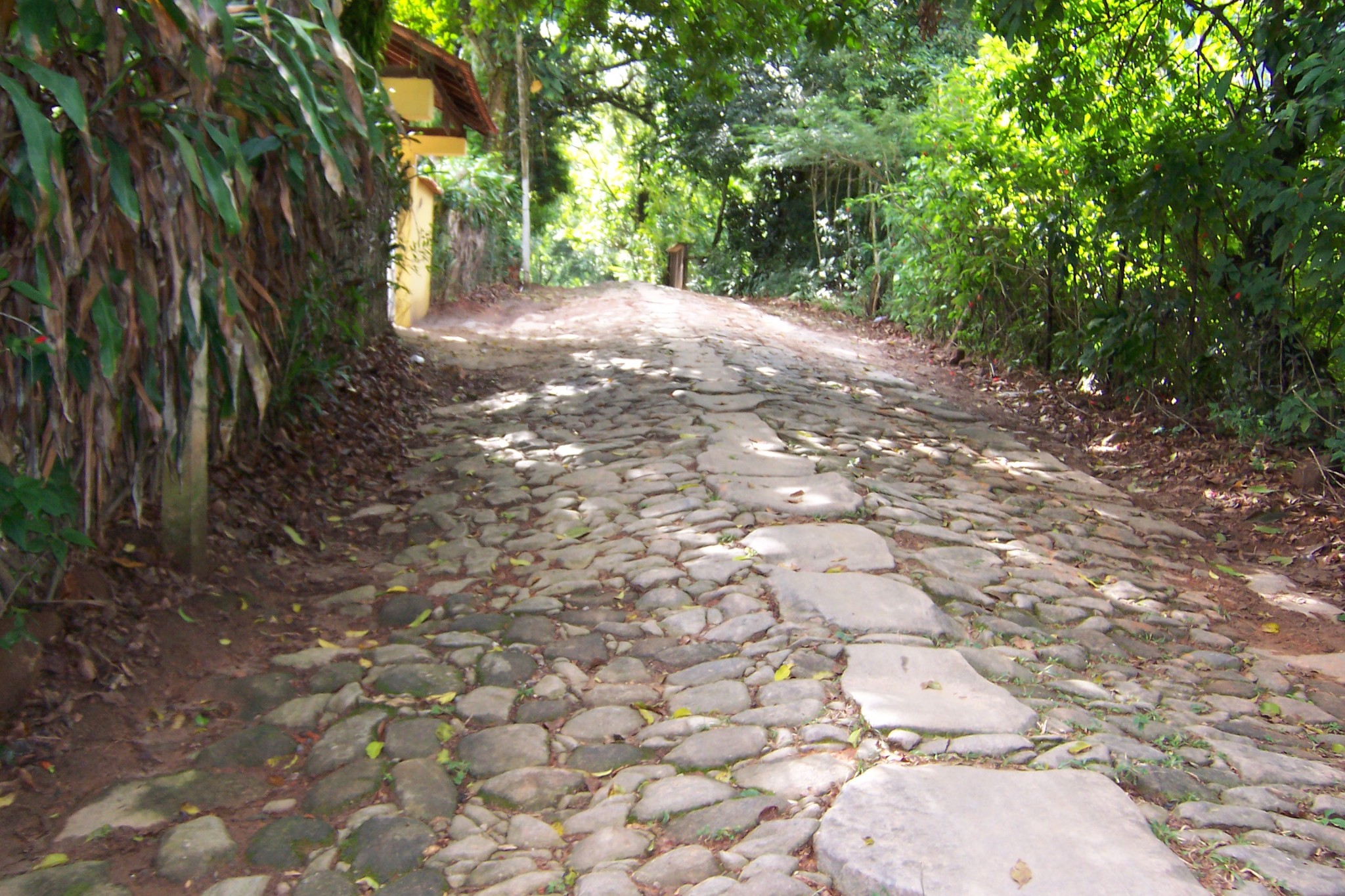
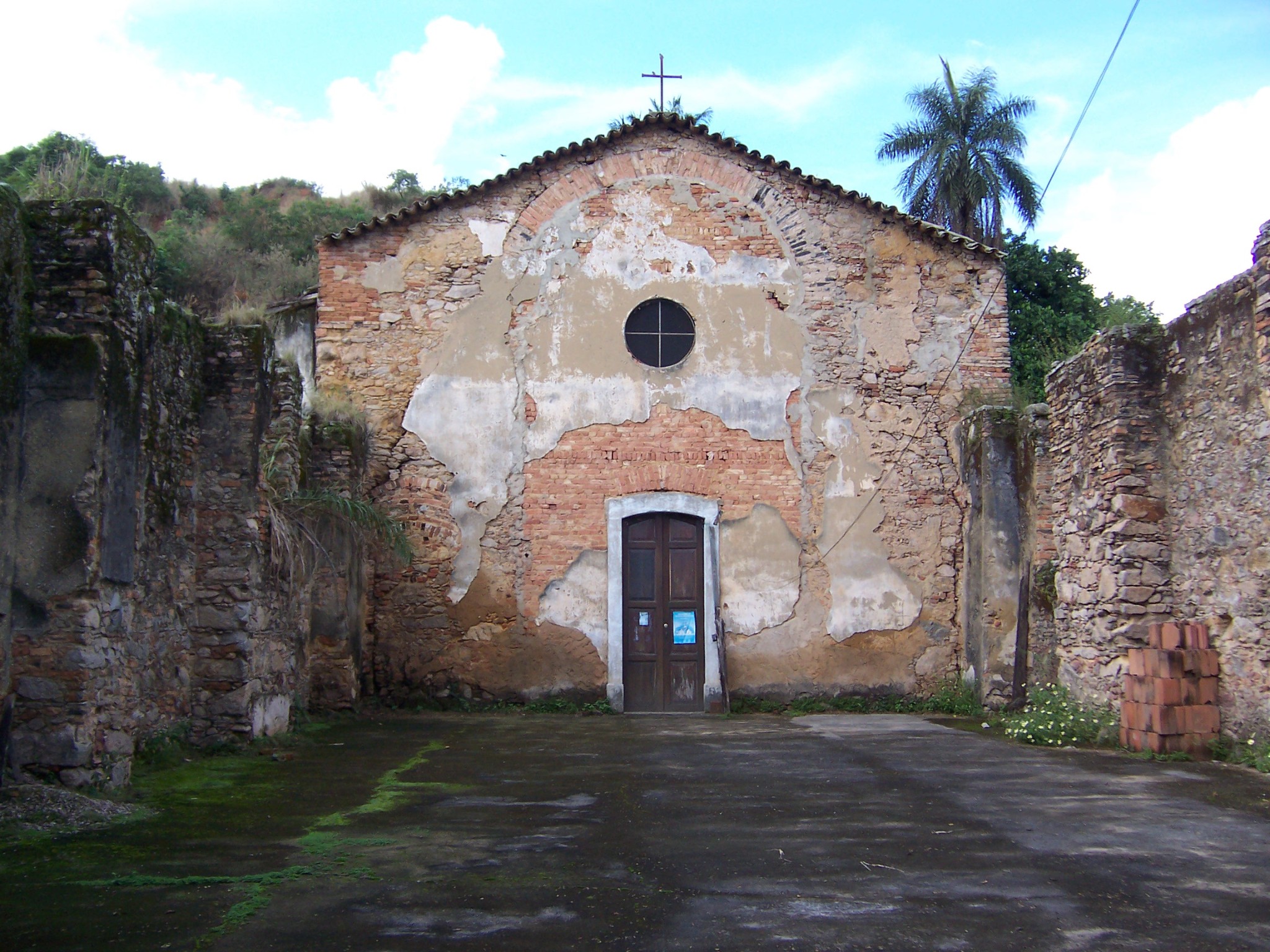
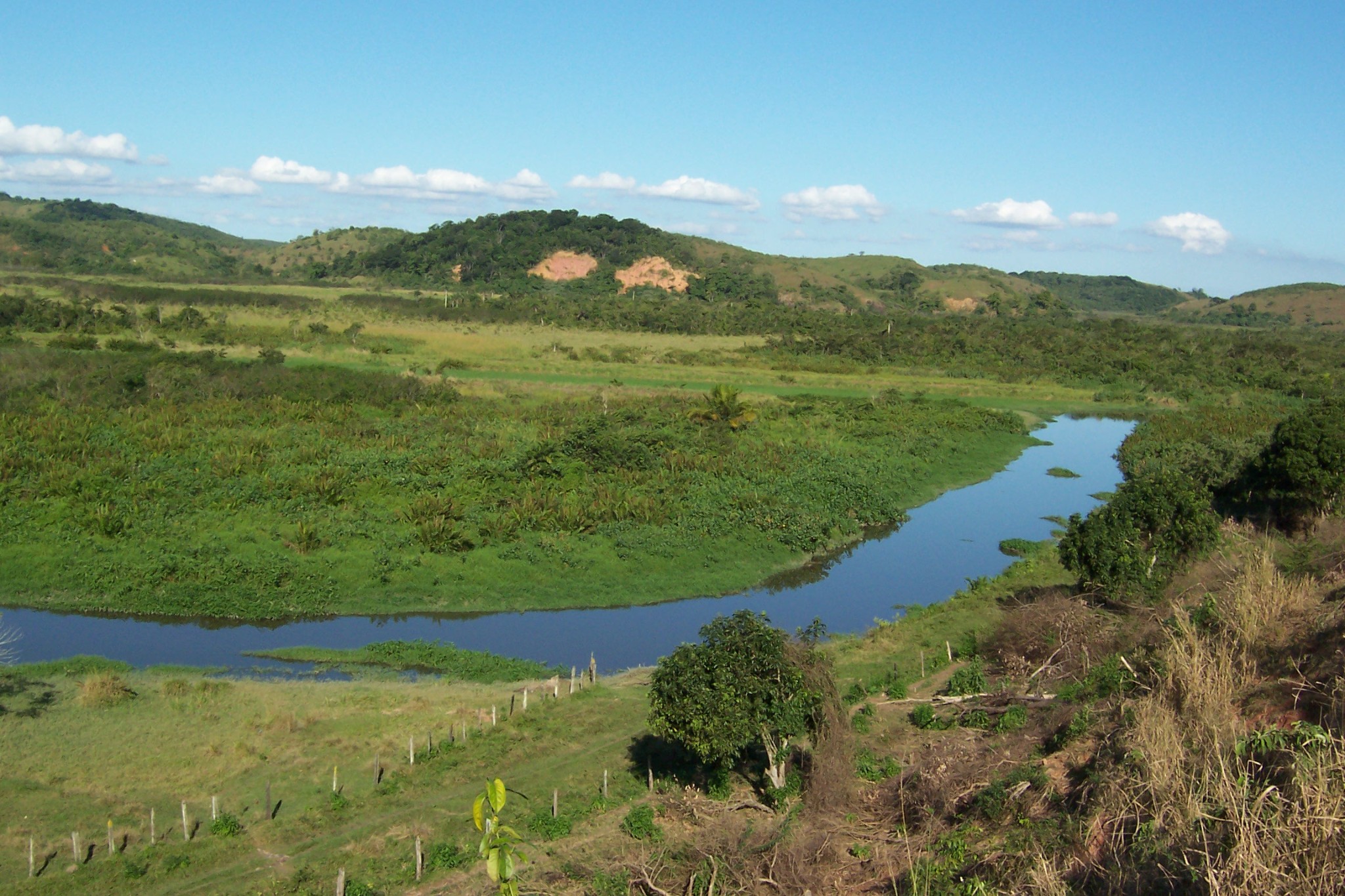
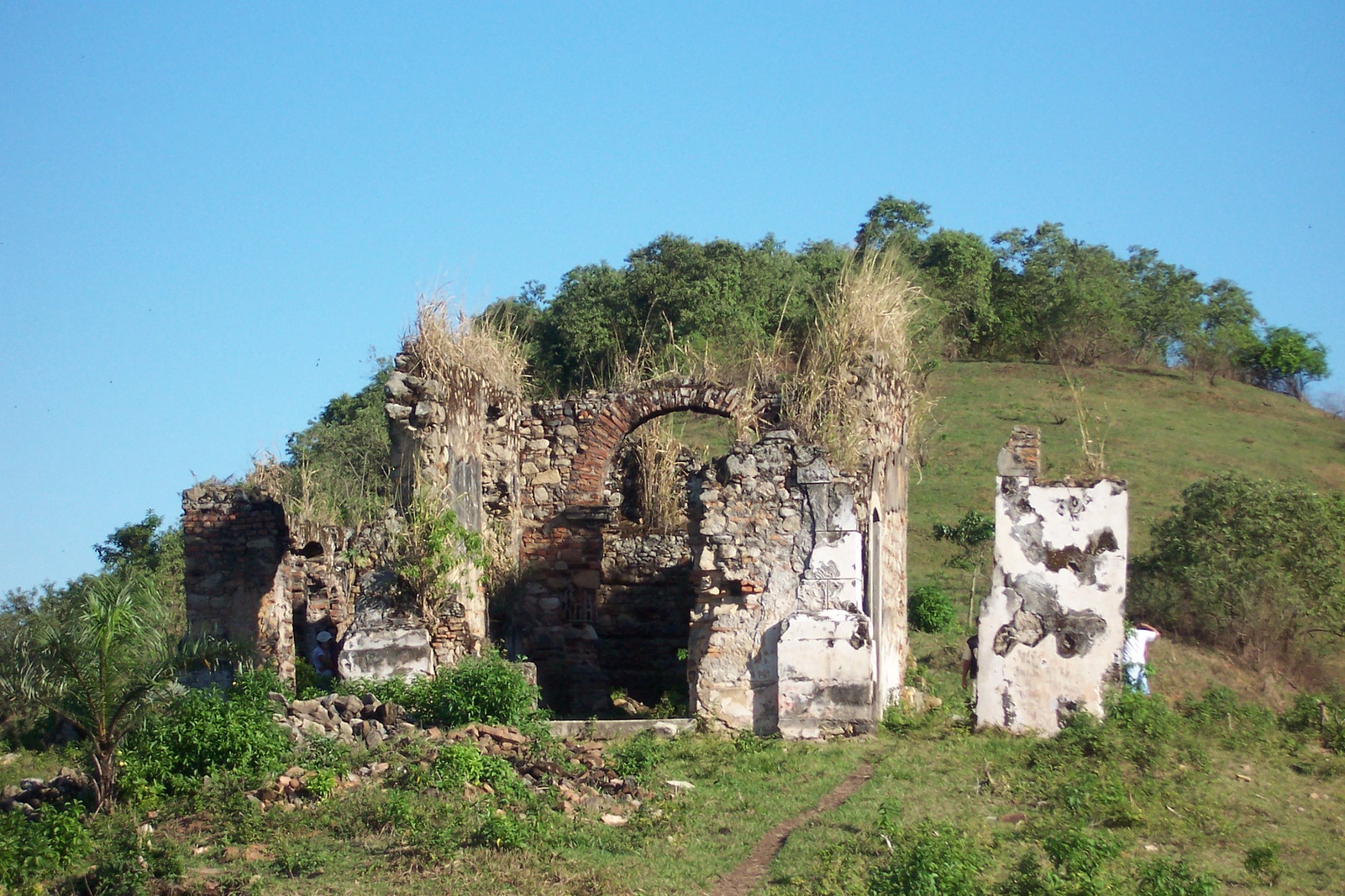
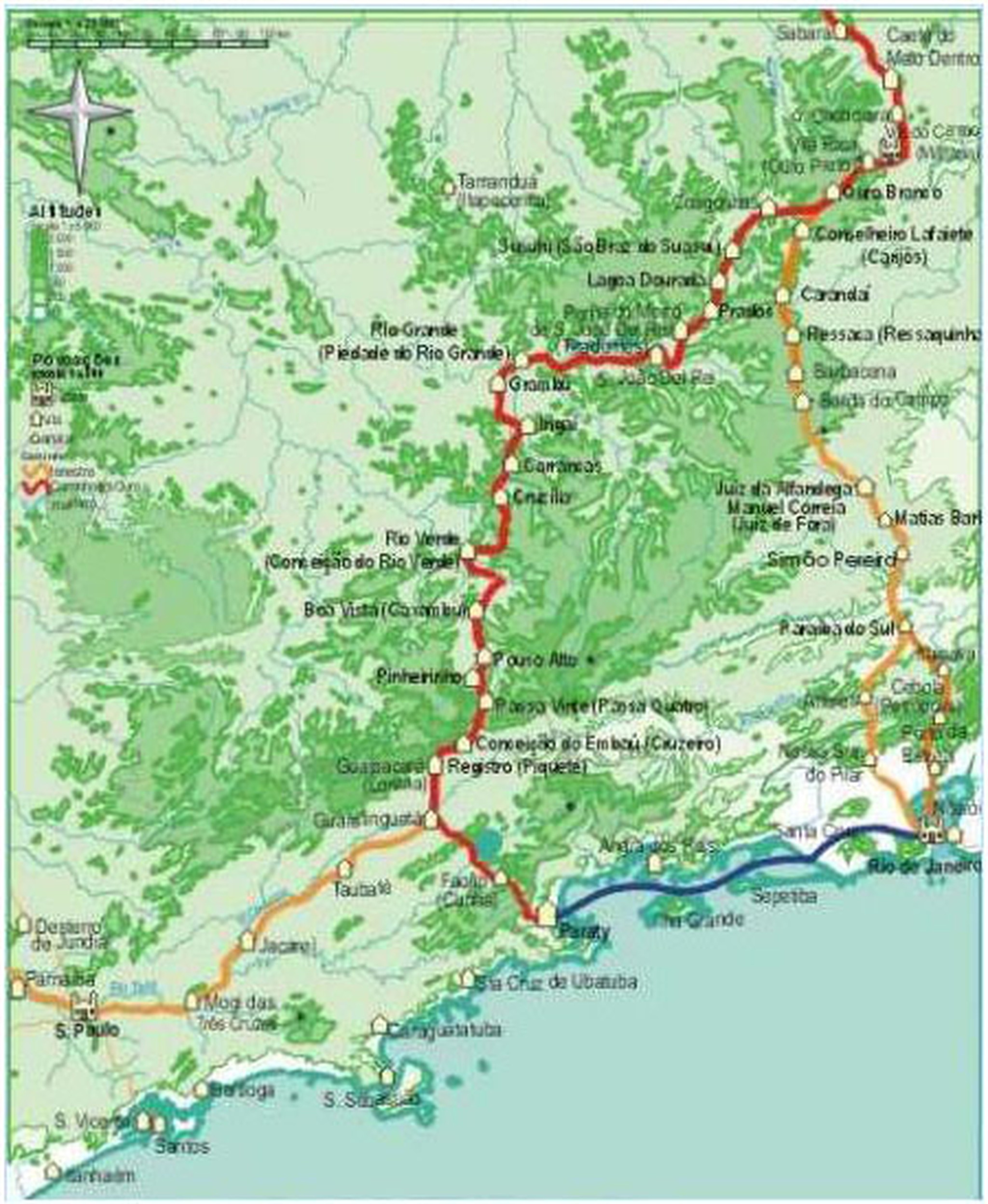
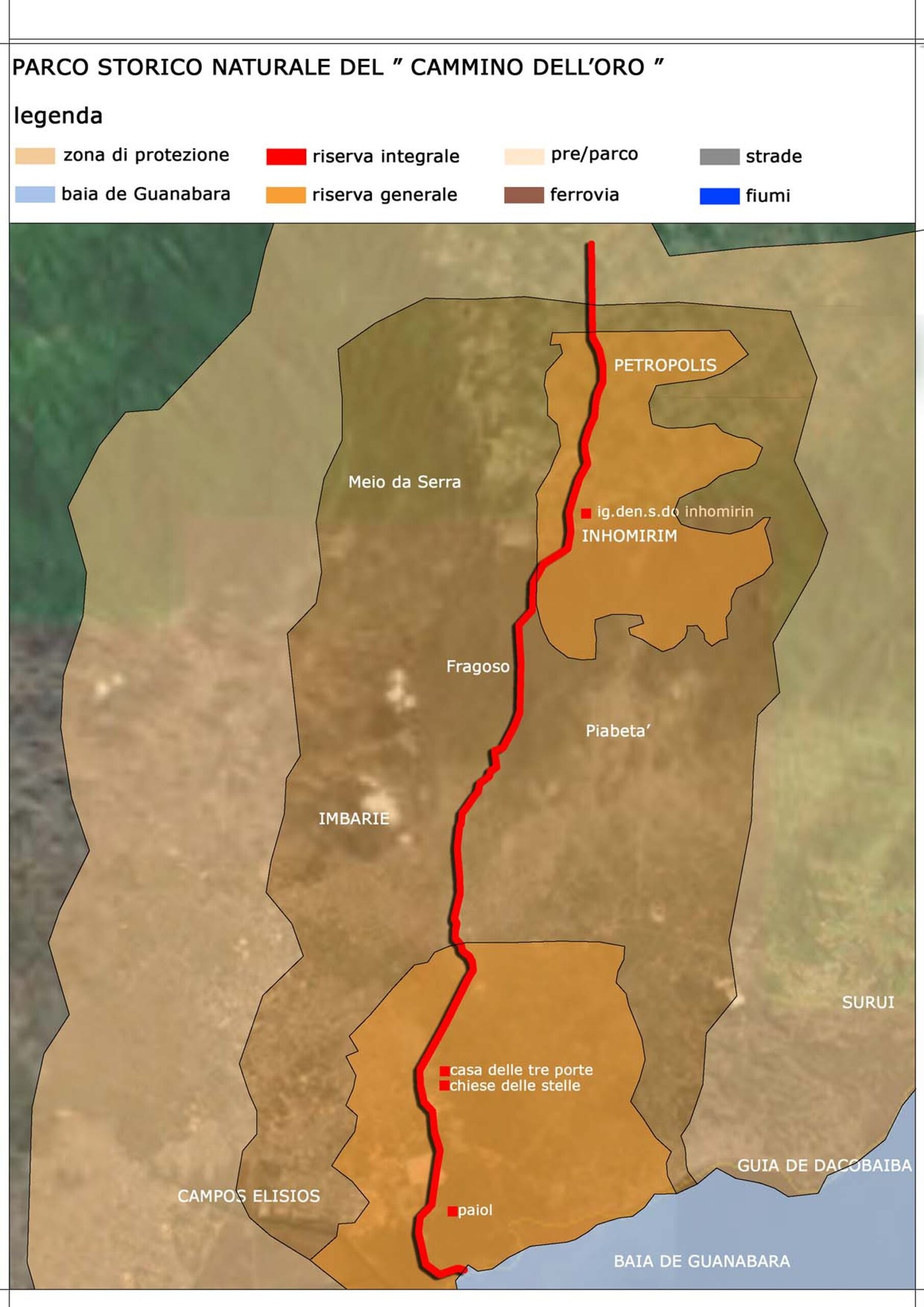
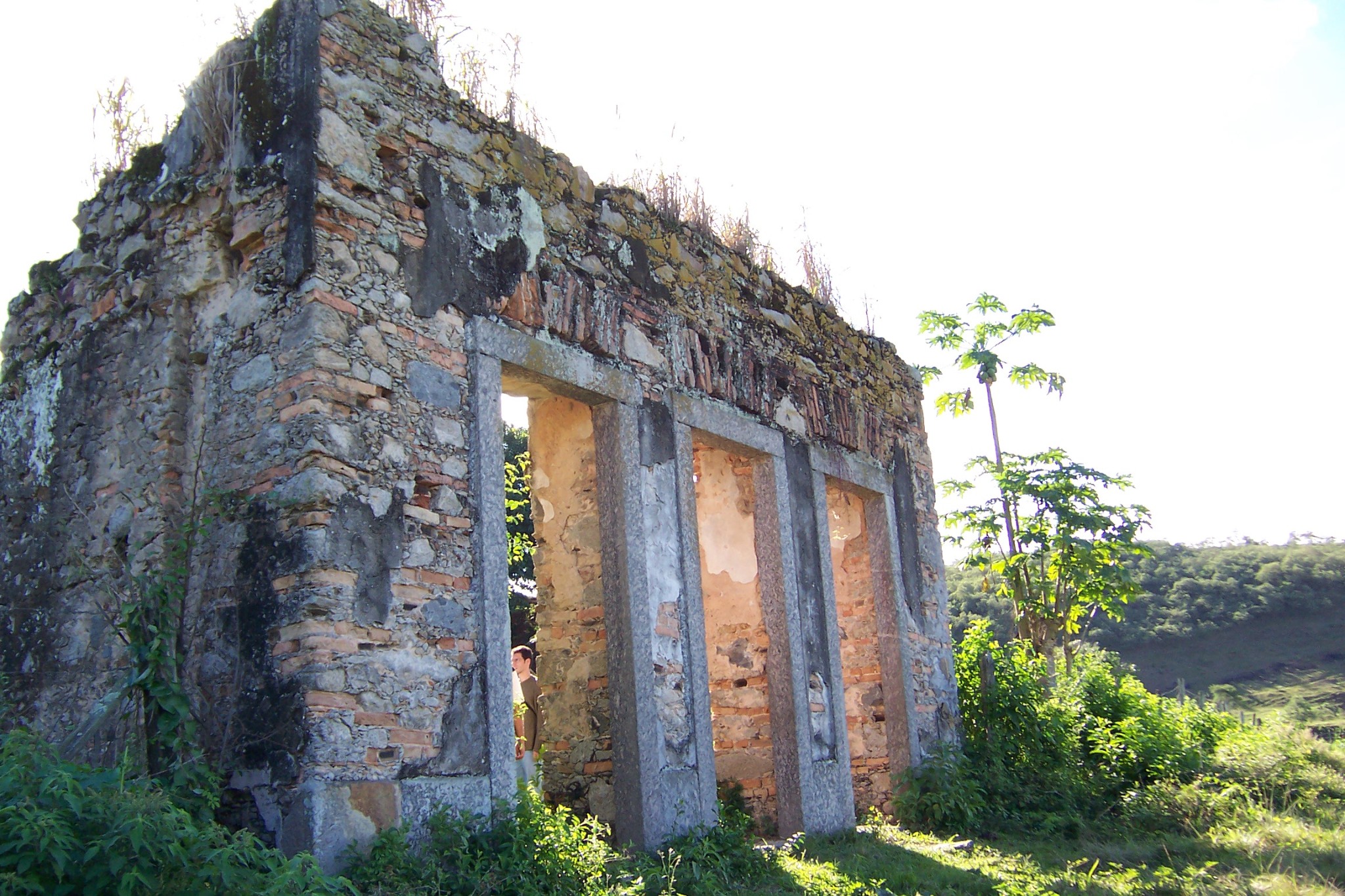
The territorial context between Guanabara Bay and the historic town of Petrópolis, crossed by the first section of the ancient Caminho do Ouro (18th century), features a significant concentration of colonial structures, historic infrastructures and anthropized landscapes of great cultural and environmental value.
This setting represented an ideal field for applying a methodology based on the integrated protection, conservation and enhancement of architectural and landscape heritage.
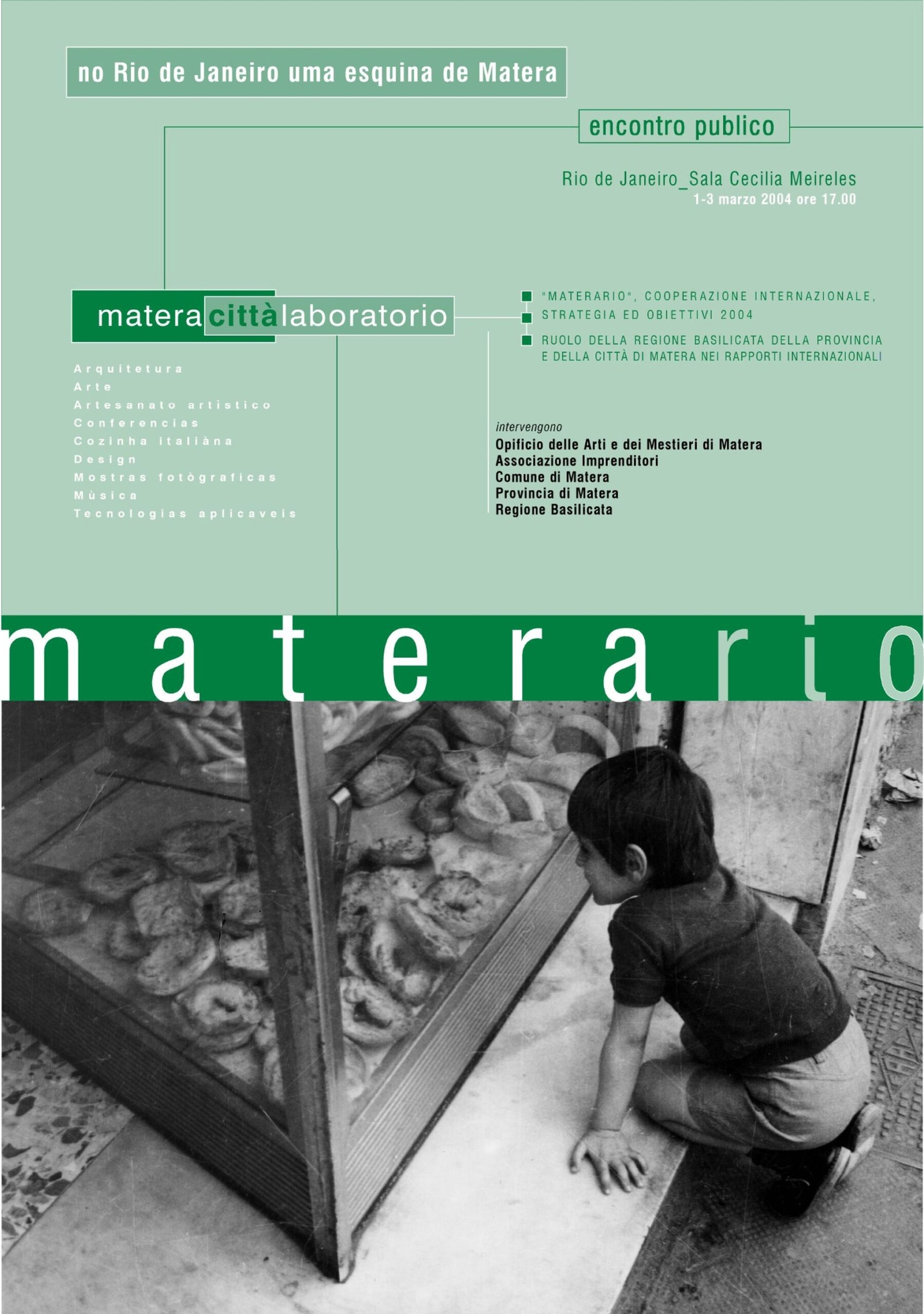
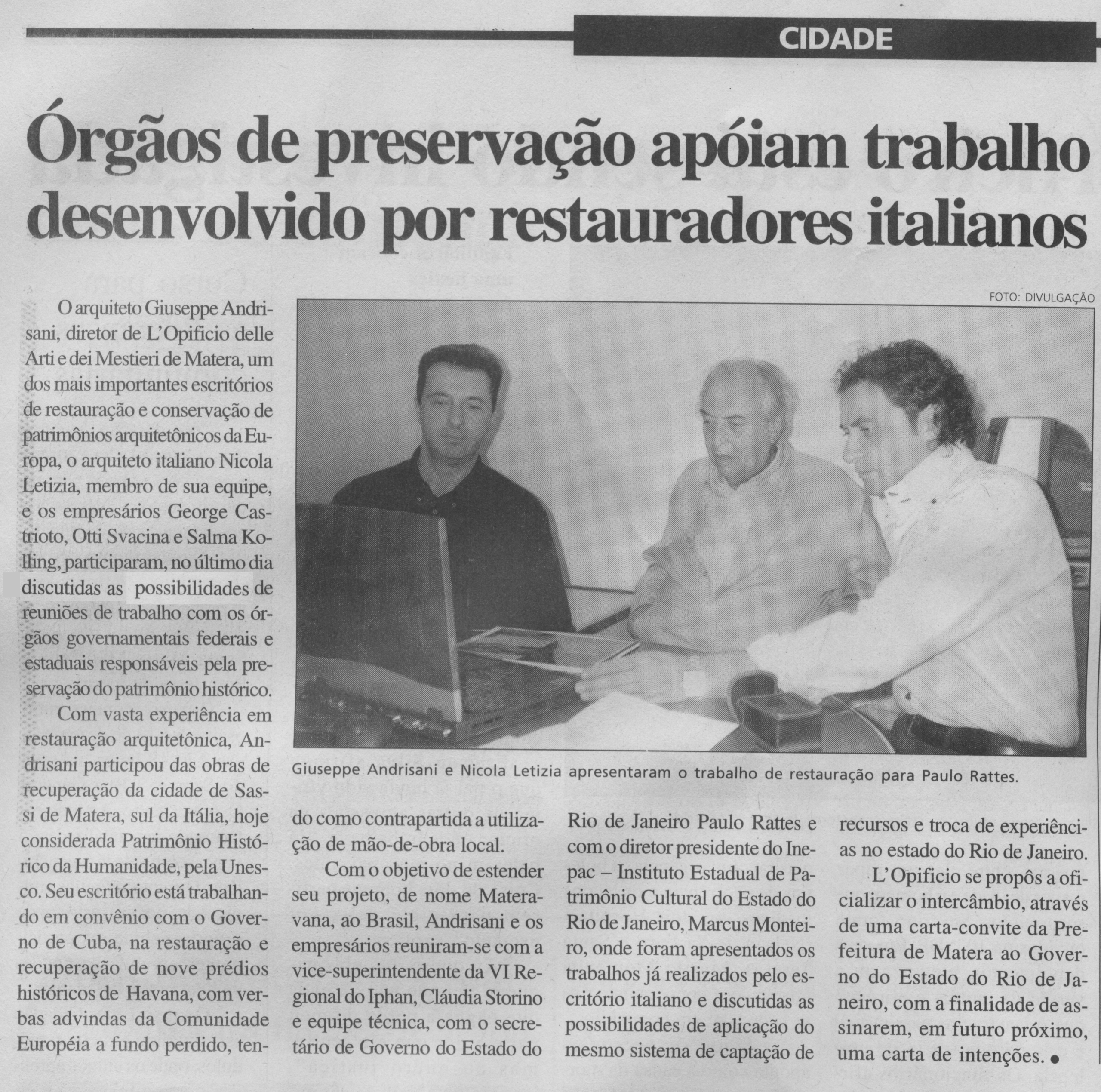
The activities were carried out within broader cultural and institutional cooperation programs between Italian and Brazilian entities, with the objective of transferring expertise, sharing urban and territorial recovery models, and promoting sustainable strategies for heritage valorization.



From urban recovery to the landscape scale
In Brazil, the work developed across multiple levels:
- study and analysis of the historic-territorial system of the Caminho do Ouro
- survey and assessment of the colonial buildings along the route
- definition of strategies for the protection and enhancement of the cultural landscape
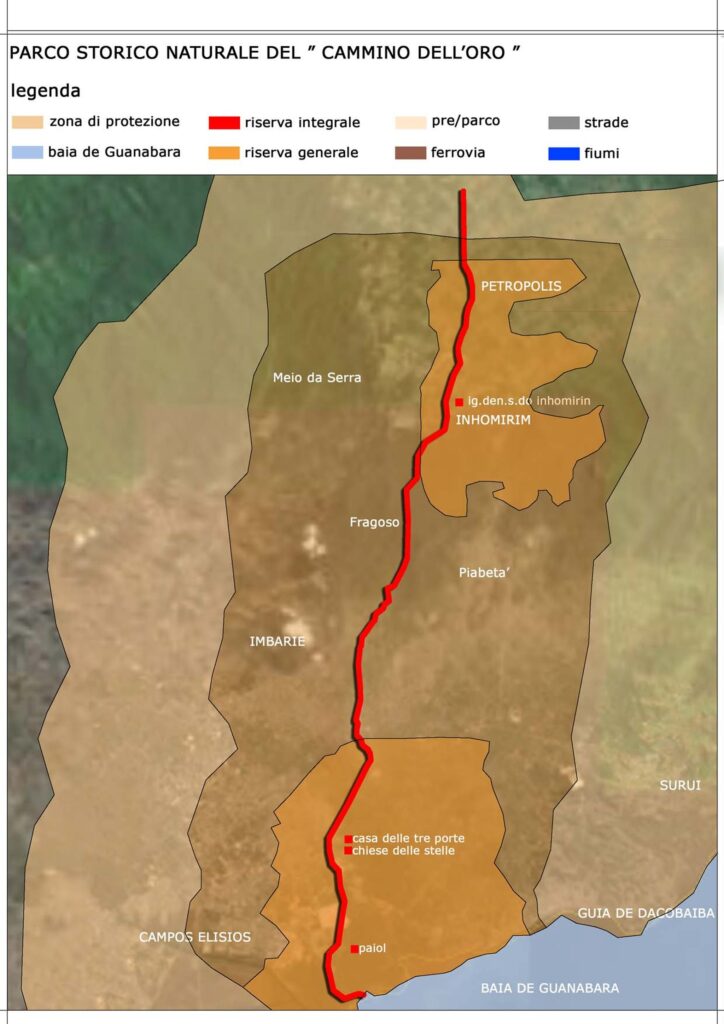
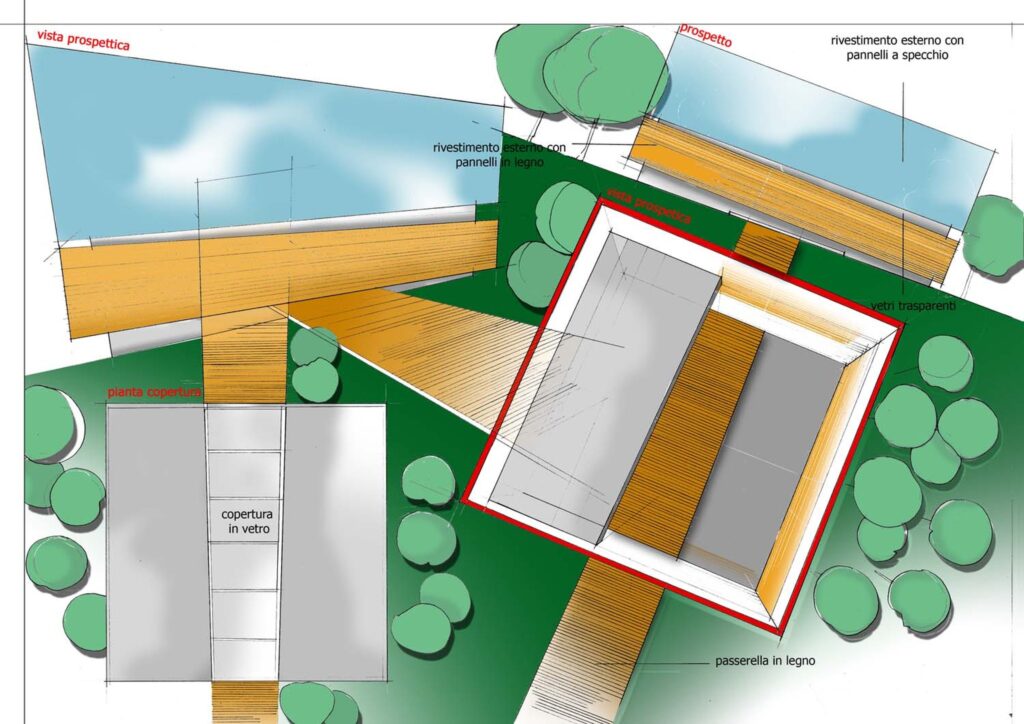
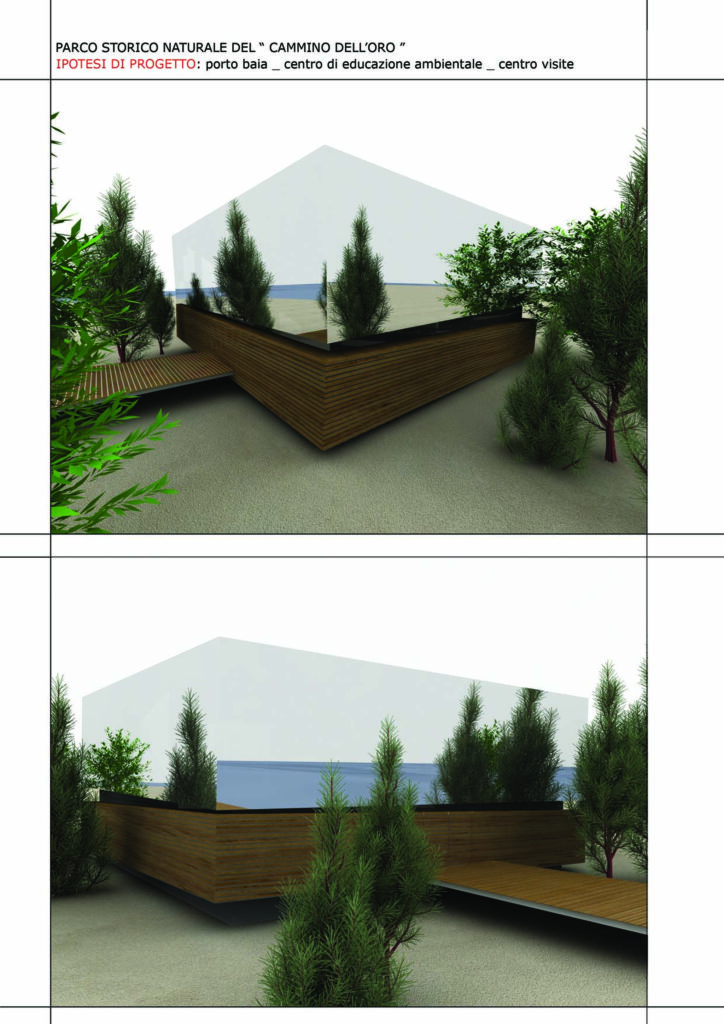
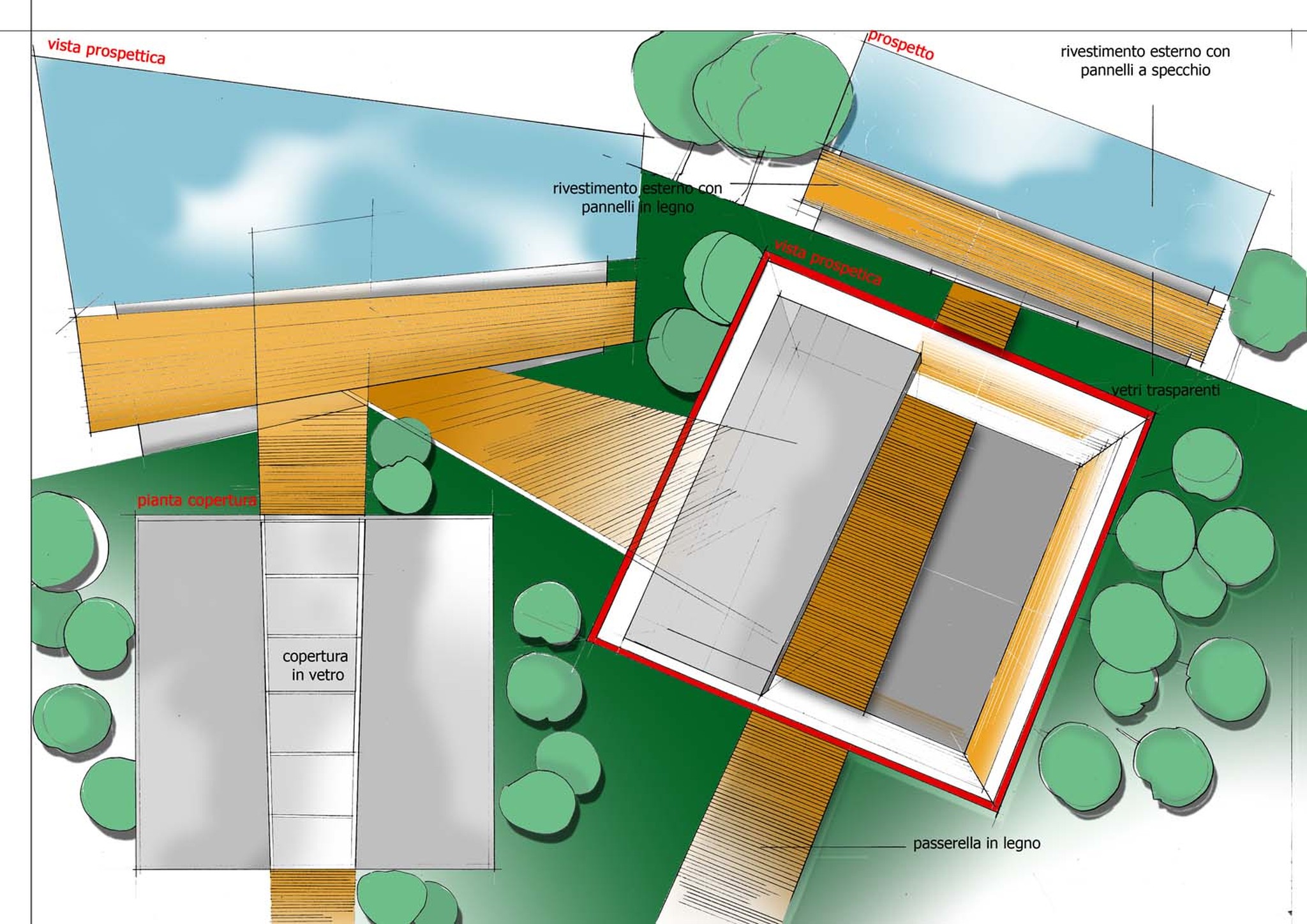
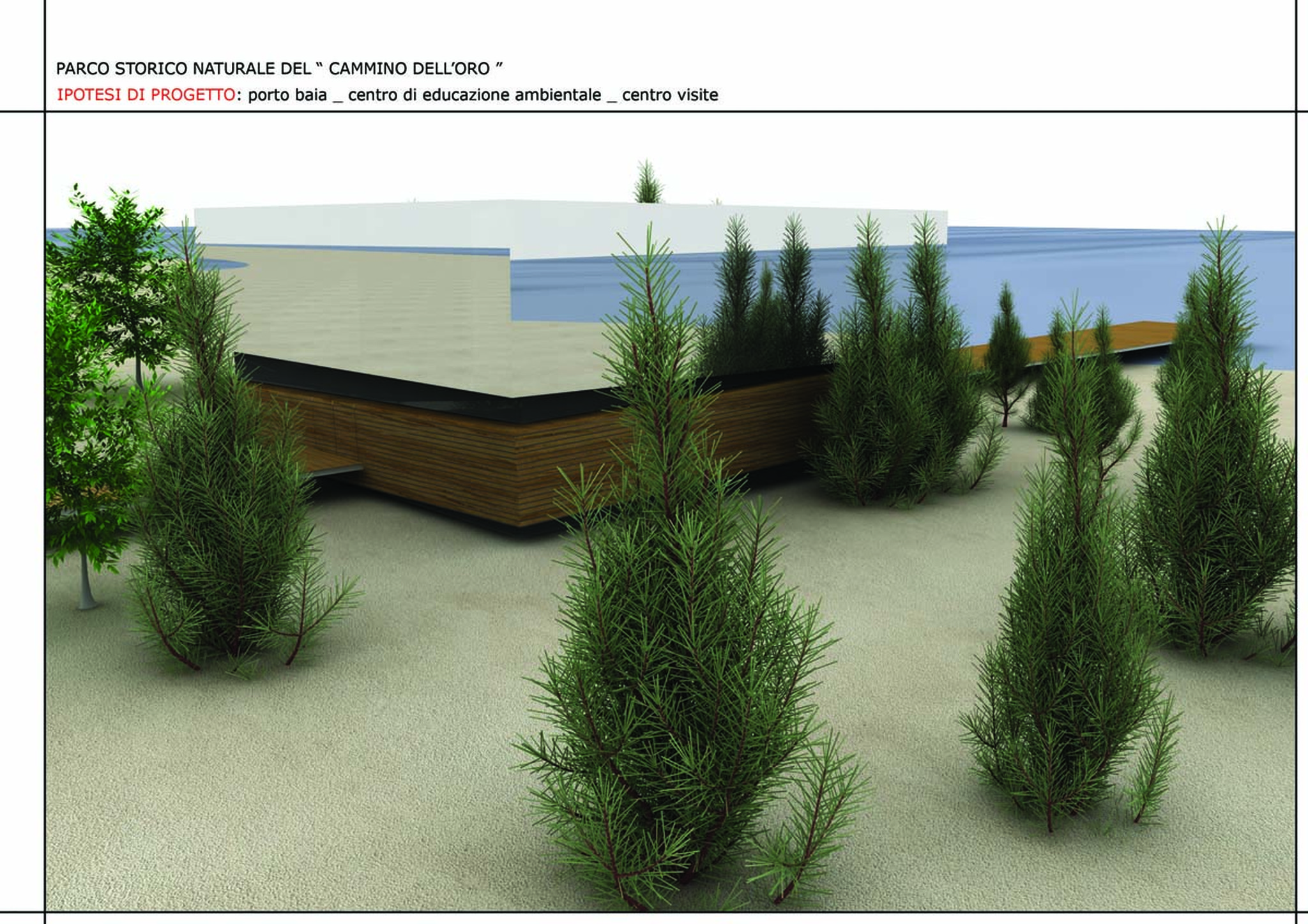
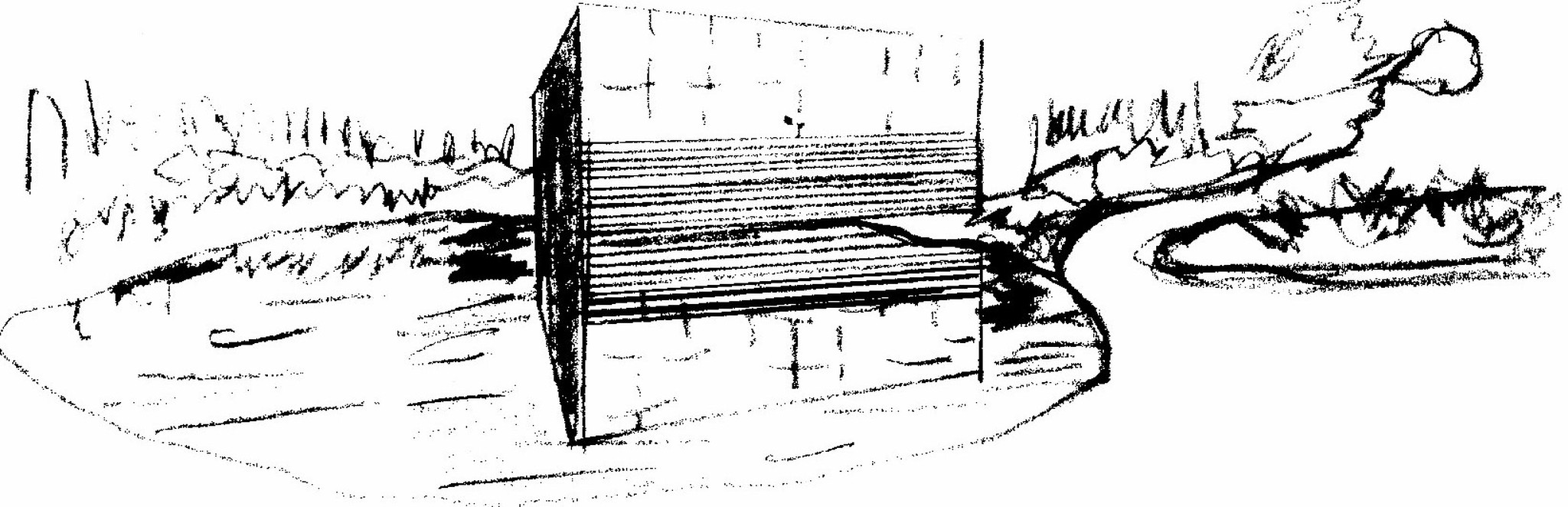
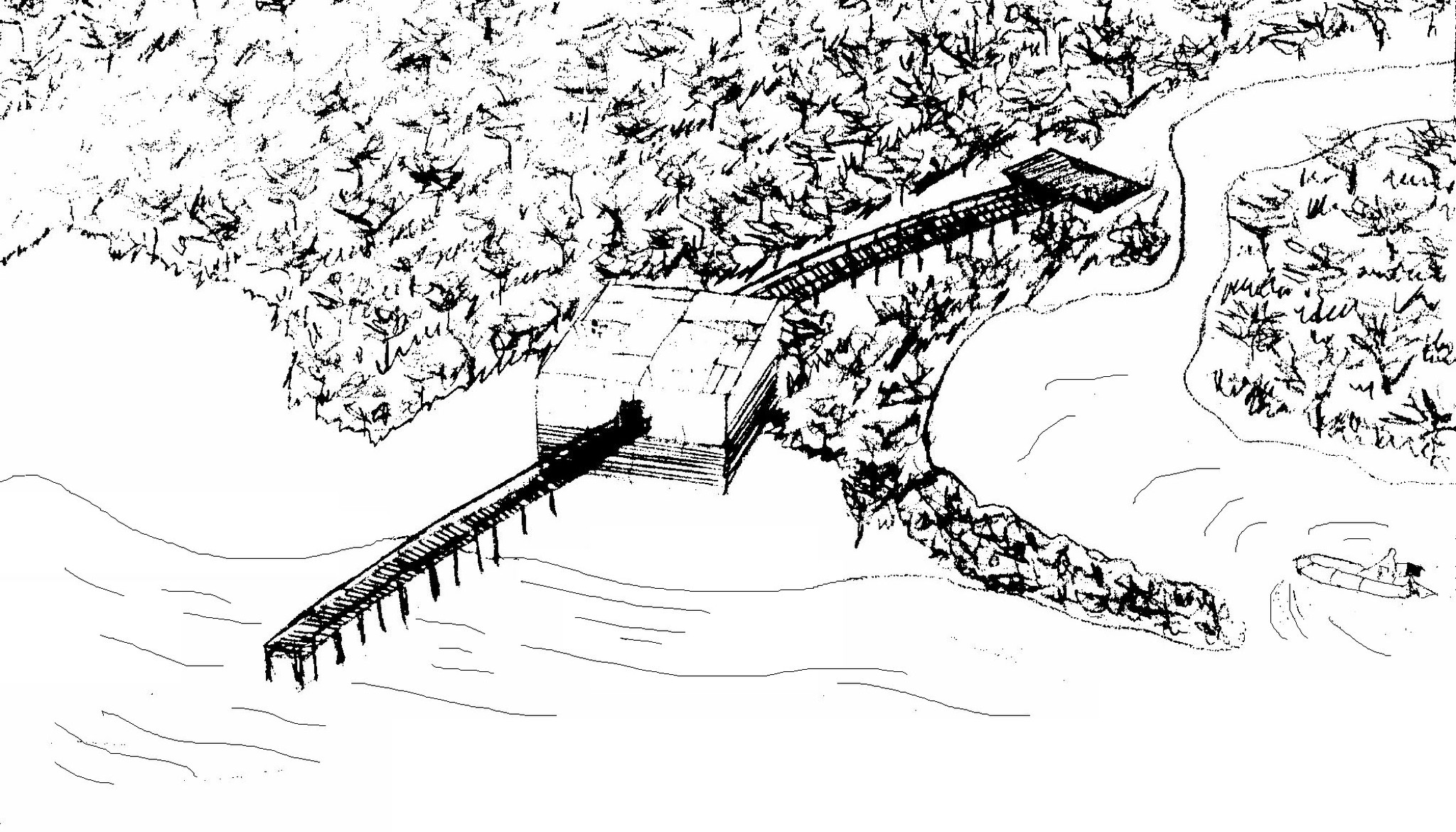
- development of the Historic Natural Park project for the Caminho do Ouro
The Park was conceived as both an environmental and historical protection tool, and as an opportunity for cultural and socio-economic development for local communities, integrating conservation, accessibility and heritage enhancement.

Projects and strategic vision
A territorial approach to cooperation
The Brazilian experience marked a shift from the scale of architectural restoration to that of territorial and landscape design, consolidating a vision of heritage as a complex system in which architecture, landscape and historical memory form a single cultural structure to be preserved and enhanced.


An international cooperation path between heritage, culture and design
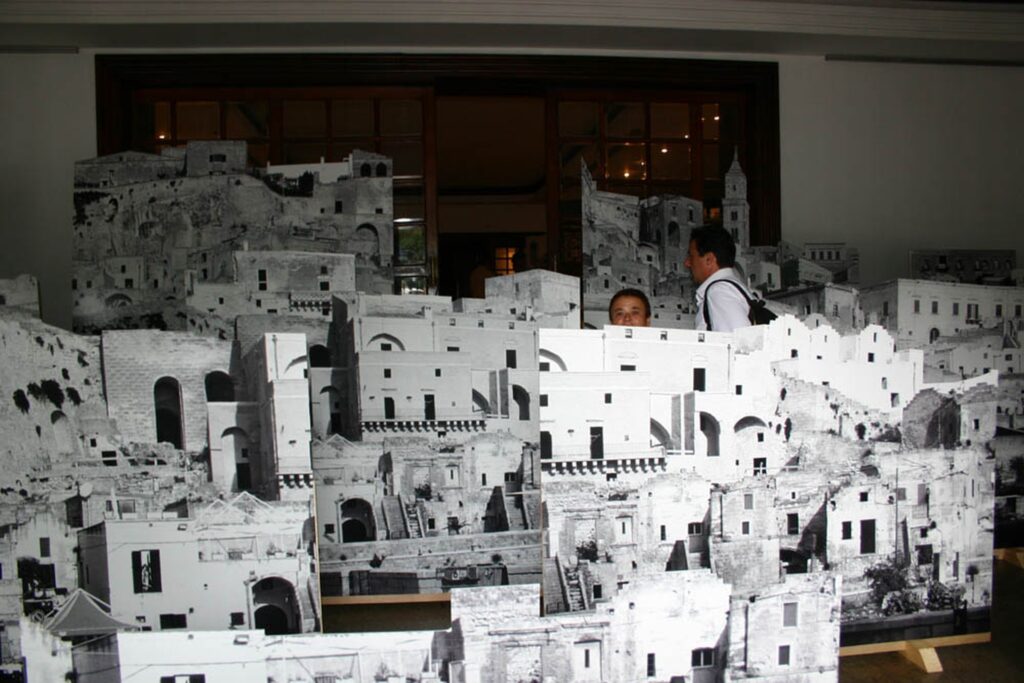
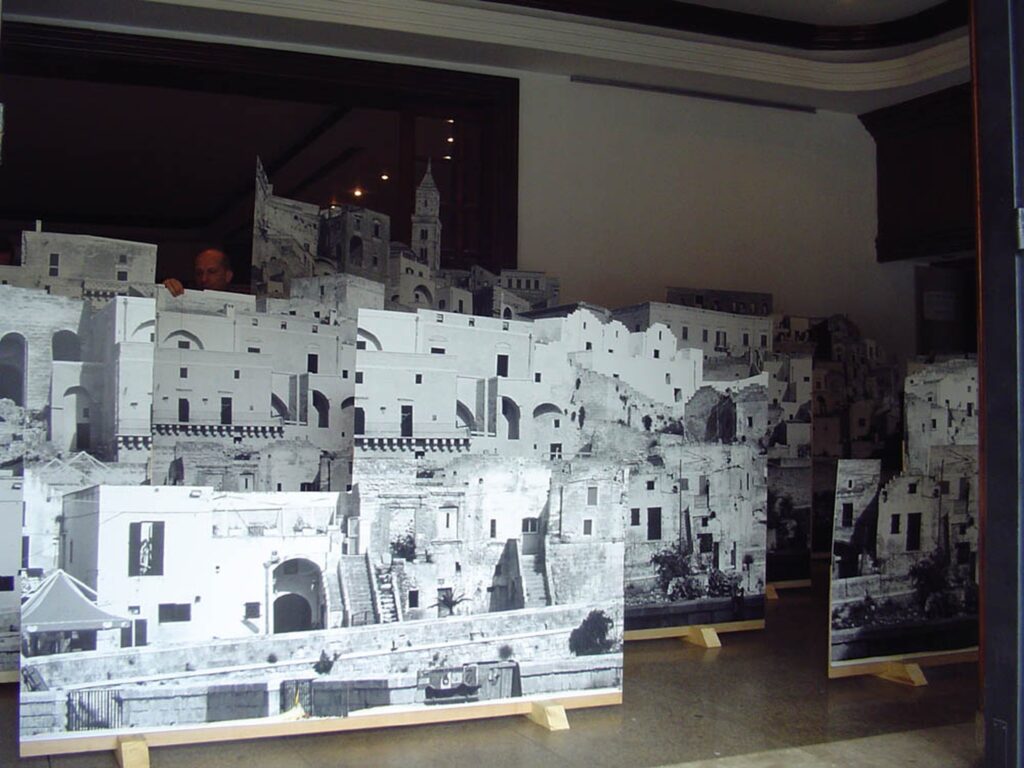
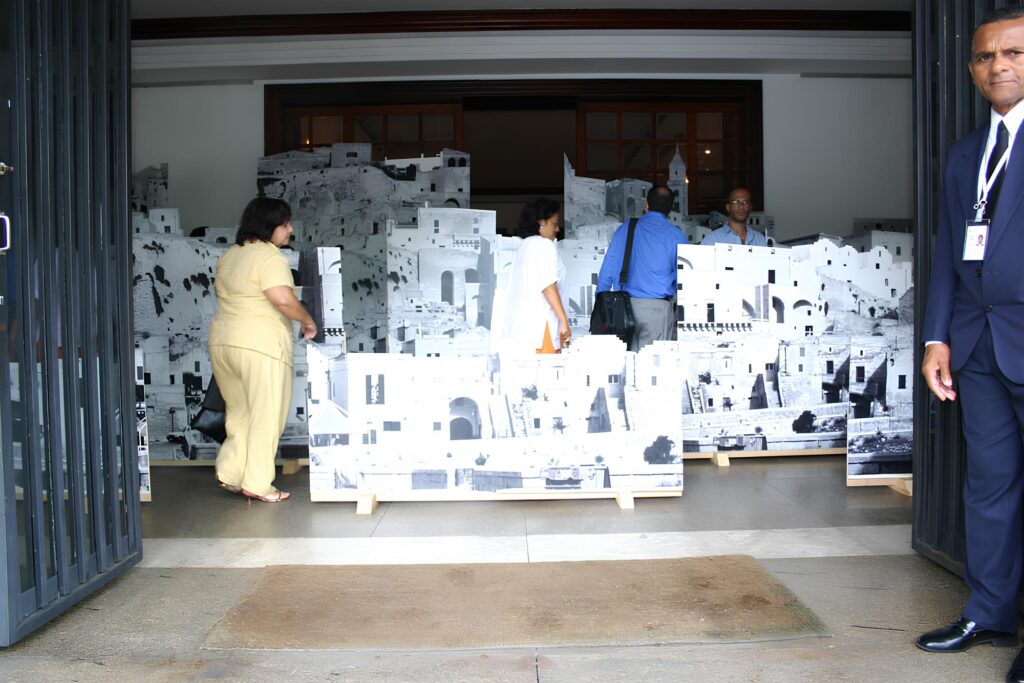
The transfer of know-how developed in the Sassi of Matera to UNESCO contexts in Latin America made it possible to establish a model of intervention based on the integrated protection of architectural, urban and landscape heritage, adapted to the cultural, social and environmental specificities of each territory.
Within this framework, international cooperation is not conceived as mere technical assistance, but as a process of cultural exchange, training and the construction of long-term institutional relationships, where architecture becomes a tool for dialogue between local identities and a global vision.
The result is a shared journey connecting Italy and Latin America through their historic heritage, transforming it into a living and collective resource for the future.





























”The experiences developed in Cuba, Brazil and Colombia outline a unified path of international cooperation founded on a clear principle: restoration as a cultural act, capable of connecting historical memory, technical expertise and contemporary development.